Thursday, November 29, 2012

TOWARDS A GREEN FUTURE - Dec., 2012


                   by Fireweed, for the Island Word, Dec. Issue, 2012

     As my partner tells the story, getting close enough to the big buck to remove the fishnet fencing wrapped around his antlers was far from easy! The diverse group of islanders who showed up to help out on that cold November night never did come to consensus around how best to handle the situation safely. But hours into the ordeal, the poor deer's head was finally pinned to the ground with the same fencing that had originally bound his body too. A large pair of pruning sheers wielded by one brave individual worked its magic, then everyone jumped behind the closest trees as the powerful animal struggled to his feet. Wild eyes shining in the glare of blinding flashlights, he stood perfectly motionless in the high salal for one long moment, then leapt to freedom in the surrounding forest.
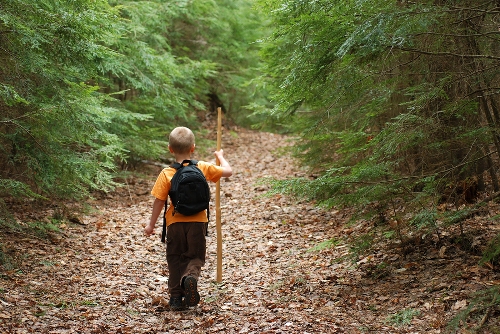
     It's easy to forget sometimes that the only connection many urban children have in the world today with wild animals is through the books they read, and the mythology of cultural traditions shared with them. Even in biologically diverse places, however, many of us are acutely aware that habitat is shrinking for the creatures with whom our lives intersect in greater and greater frequency. In “Last Child of the Woods,” author Richard Louv records the remarkable collapse of children's engagement with nature as taking place even faster than the collapse of the natural world. What stories will our great grandchildren be relaying to their offspring if the animals threatened today exist only in those young imaginations alongside Santa's reindeer? 


     Edith Cobb's essay, “the Ecology of Imagination in Childhood,” suggests that contact with nature is crucial to creativity. Through studying the biographies of some 300 geniuses, Cobb discovered that intense experiences in nature between the ages of 5 and 12 were a common theme. She contends that animals and plants are among “the figures of speech in the rhetoric of play...which the genius in particular of later life seems to recall.” In his own writing, the Guardian's George Monbiot has lamented that without the intensity of engagement with nature at a young age, people will not devote their lives to protecting it.

     Given what we know today about global warming, it is imperative that adults respond collectively on behalf of the world's children and future generations of all species as swiftly as possible.

     According to environmental scientist Dr. Robert Goodland, there is one pragmatic way to reverse climate change before it is too late. Research indicates that “large-scale reforestation and regeneration of forests could absorb all of today's excess atmospheric carbon - while sufficient land can be freed up by replacing at least 25% of today's livestock products with better alternatives. That's because a whopping 45% of all land on earth is now used for livestock and feed production.”

    To quote the prophetic genius Albert Einstein, “Nothing will benefit human health and increase chances for survival of life on Earth as much as the evolution to a vegetarian diet.” Many other changes are certainly also called for, but Goodland contends that the agricultural sector must be a key player in reversing climate change immediately. And that consumers have to play “an equal role in their capacity to vote with their forks to replace meat, dairy and eggs...”

     With a brand new year fast approaching, there's no time like the present to start making those positive dietary changes. Breaking ties with long-held holiday food customs is easier when we consider that much of what we've been taught to uphold as “tradition” at this time of the year has never really stopped evolving! For example, while various cultures have long participated in festivals of light during the month of December (Hanukkah, Kwanzaa, etc.), Christmas in particular is a composite of both old and new sensibilities.

     Long before the advent of Christianity, the Roman Festival of Saturnalia honoured Saturn - god of seed and sowing - with a whole week of feasting, gift giving and revelry from the 17th of the month to the 23rd. For millennia, winter solstice celebrants have marked the longest night of the year and the “newborn” sun with candles and bonfires around the 21st and decorated their homes with sacred evergreens. Cut Christmas trees are a relatively recent “tradition,” once strongly opposed by the Christian church due to its mis-association with pagan tree-worship. Apples are symbols of the sun god Apollo and, therefore, appropriate representations of the returning sun at winter solstice. Today, shiny bright red tree ornaments have taken their place. Many pagan symbols were eventually incorporated into the new religion of Christianity, which was clearly superimposed over the old ways, preexisting holy days and sacred sites throughout Europe.

     Even Santa is a shape-shifter who has adapted to time and place. In the reindeer-herding areas of Siberia, natives have identified the moon in the sky as a man on a sleigh that can be pulled by reindeer to heaven. Tribal shamans dressed in red and white, ritually ingest the hallucinogenic amanita muscaria to fly to the sacred world tree where their magic reindeer live. Siberian reindeer actually consume these red and white mushrooms as food, seeking them out under the snow. No wonder their otherworldly counterparts are capable of flying around the entire earth in just one night! In Britain, Father Christmas dates at least as far back as the 17th century. At that time he traveled by goat and dressed in a long green robe. It was through his Dutch counterpart Sinterklass that modern day Santa Claus has found his way down North American chimneys, and into our contemporary “traditions.”


     This Christmas Eve, why not leave out a glass of organic apple juice for the jolly old elf and let the kids know what makes this delicious fruit extra special during the week of winter solstice? Introducing ourselves to a few new organic, 100% plant-based recipes during this time of general overindulgence is another great way to transition to a greener lifestyle and create new family customs!

     “Teaching a child not to step on a caterpillar,” wrote Bradley Miller, “is as valuable to the child as it is to the caterpillar.” Reducing our ecological footprints by eating low on the food chain is valuable to future butterflies, reindeer and children alike.

Saturnalia Salad

This festive dish is chock full of protein, anti-oxidants, and the colours of the season!

Main Ingredients:
    • one head of broccoli, finely chopped (3-4 cups, with stem removed)
    • two yellow or red apples (unpeeled), cored and finely chopped, then tossed in a little lemon juice to avoid browning
    • 1/3rd cup red onion, finely diced
    • 1 cup purple cabbage, finely chopped
    • 1/2 cup of raisins
    • 1/2 cup of chopped walnuts
    • the seeds from one medium sized pomegranate
    • one romaine lettuce heart
Dressing:
  • 4 Tablespoons tahini
  • 2 tsp. cumin
  • 1 tsp. ground coriander
  • 1 tsp. sea salt (more, to taste)
  • 1 tsp. ground black pepper
  • 1 tiny pinch of paprika, or chili powder (don't overdo it!)
  • 1/4 cup lemon juice (fresh squeezed or Santa Cruz organic)
  • 1 tablespoon balsamic vinegar
  • 1/4 to 1/2 cup water
  • 1 small pinch of powdered stevia, or 2 tsp. agave syrup

Prep:

Except for the water, measure all dressing ingredients into a blender. Add half the water, then blend. If the mixture is really thick, thin with more water. Taste, and adjust seasonings. Combine all the salad ingredients in a bowl except for the pomegranate seeds and lettuce. Toss well, then pour in 1/2 of the dressing and toss again. Now chop the romaine heart and fold gently into the other ingredients along with the pomegranate seeds. Plate, and drizzle with additional dressing. As a meal in itself, this hearty recipe will satisfy 3-4. As a side dish it makes about 10 yummy servings.

For more delicious and nutritious holiday feasting ideas, visit the LINKS column on the righthand side of this page. Bon Appetit!


Also, if you're in the region or plan to visit, feel free to join in on Denman Island's long-running Winter Solstice Community Vegan Potluck on Saturday, Dec. 21st (updating this for 2013)! Click here, for details.

Saturday, September 29, 2012

PUMPKIN POWER! - Oct., 2012


                                        by Fireweed, for the Island Word, Oct. issue, 2012

     From under the cover of darkness they come... first one by one, then by the dozen! Hundreds upon hundreds of jack-o-lanterns will line Highway Four between Cathedral Grove and Port Alberni once Hallowe'en has past. It's a tradition now for mid-islanders to abandon their creative carvings there, and for travellers passing through to marvel at the spectacle - at least until the bright orange squash morph into mush. 

     In 2008, Port Alberni resident Jake van Kooten grew the world's largest pumpkin, which weighed in at a whopping 1,536.5 pounds. Last year, Quebec farmer Jim Bryson and his daughter Kelsey claimed the 2011 title, tipping the scales with a 1,888.5 pounder! The latter was transformed by the talented New York sculptor, Ray Villafane, into a spooky Hallowe'en zombie display for the New York City Botanical Gardens.

     It's hard not to wonder how many people could be fed from annual harvest bounty never actually destined for the dinner table. At least jack-o-lanterns donated to a gardener's compost pile can return nutrients to the soil and benefit some future meal.

     Kept in a cool, dry, and dark place with adequate ventilation, whole pumpkins and other squash can be stored successfully for many months. Whether your pumpkin has been grown or purchased for food or fun, hang onto those seeds! They are high in protein, Vitamin A , calcium and zinc, along with other important vitamins and minerals.

Variations of pumpkin and other squash have been an important food source in the Americas for thousands of years. Even before the cultivation of maize (corn), they were grown by ancient farmers along rivers and streams with sunflowers and beans. Once maize was introduced in North America, the sacred triad known as the “Three Sisters” formed a foundation for sustainable farming communities, providing long-term soil fertility and a healthy diet to generations.

Roasted in strips over campfires, baked, boiled or parched, the squash plant has helped indigenous peoples survive long, cold winters for millennia. The dried flesh was ground into nourishing flour. The seeds were eaten and also revered as medicine. Columbus apparently brought pumpkin seeds back to Europe but failed to embrace their value as food for humans. He used them instead to feed pigs.

This wasteful practice of 'feeding people twice' has become ubiquitous with the meat-centric agricultural practices of our modern era. 99% of US meat production involves feeding livestock crops grown on arable land that could far more efficiently grow plants to feed people directly. According to the World Watch Institute, producing just one calorie of flesh this way - beef, pork, or poultry - requires 11-17 calories of feed. And yet we know today that eating animals or animal byproducts is far from necessary for our survival. On the contrary, we now understand that the nutrition of greatest benefit to our human bodies comes directly from plants wherever a varied plant-based diet is accessible to us.

Dr. Rita Laws advocates for a return to 'the way of the corn', embracing the ancient wisdom of the Three Sisters in her essay, Native Americans and Vegetarianism. “Among my own people, the Choctaw Indians of Mississippi and Oklahoma, vegetables are the traditional mainstay,” she writes. “The principle food, eaten daily from earthen pots, was a vegetarian stew containing corn, pumpkin and beans. The bread was made from corn and acorns....Many of the Choctaw foods cooked at celebrations even today are vegetarian.” Laws goes on to exclaim how ironic it is that Native Americans are primarily (and generically, I would add) associated with hunting and fishing when, in fact, “nearly half of all the plant foods grown in the world today were first cultivated by the American Indians.”

The first Canadian Thanksgiving took place in Newfoundland 43 years before the Pilgrims landed at Plymouth Rock. But while American Thanksgiving is commemorated on a later date in the harvest season (and a shameful history of land theft and genocide continues to be swept under the rug in each country), both holiday feasts remain naturally wedded to the proverbial pumpkin. If we wish to focus on giving thanks for the blessings of seasonal abundance it really makes far more sense to give squash centre stage than it does to sacrifice a poor turkey. Not only did pumpkin as a dietary staple help its original cultivators survive and thrive, introducing this fruit to the diets of early 'New World' settlers saved many from death by scurvy and starvation. Recorded in Pilgrim verse, circa 1633: “We have pumpkins at morning and pumpkins at noon, If it were not for pumpkins we should be undoon.”

On the old Celtic calendar, Hallowe'en signifies the dying of the old year and the beginning of a new seasonal cycle. Traditionally it is a celebratory time of transformation. Whether contributing a savoury squash dish to a communal harvest feast this month, marking All Hallow's Eve with a festive jack-o-lantern or enjoying the Celtic New Year with a sweet pumpkin pie, what better time or way to embrace a more plant-centric worldview?!

To prepare pumpkin seeds for roasting, rinse off the pulp and pat dry. Lightly rub on a wee bit of oil, and some seasoning if you wish. Spread the seeds over parchment paper on a cookie sheet for a low temperature bake (in a 250 degree oven for about 50 minutes), and stir often. Of course raw organic seeds - soaked, then regularly rinsed and drained - make wonderfully nutritious sprouts.


Here's a super easy recipe for Hearty Pumpkin Soup...creamy, filling and mouth-watering delicious!

Ingredients:
1 tbsp olive oil (use less if you wish)
1 yellow onion, diced
1 small cooking pumpkin
1 1/3rd cups organic vegetable broth (made with herbal bouillon)
3 cups soy milk (or almond)
1/2 tsp nutmeg
1 tsp dry ginger (or a little less if freshly grated)
1 tsp sea salt
1/2 tsp freshly cracked pepper
and a wee bit of sweetener to taste (like maple syrup or agave)

Cut your pumpkin in half, scoop out the seeds, then quarter. Rub lightly with a little oil (or not), and roast in a 400 degree oven for about half an hour or until fork tender. Cool, then remove the skin. Dissolve an herbal veggie bouillon cube in water. Place the pumpkin in a blender with sauteed onion, the bouillon broth, and seasonings. Add more liquid if required, then transfer to a soup pot. Gently stir in milk over medium heat, sweeten and correct seasonings to taste. Garnish with your oven-roasted pumpkin seeds, and serve. Bon appetit!

Wednesday, September 26, 2012

HOW NOW? - July 2012

        by Fireweed, for the July/August Island Word, 2012
                                                                                                            

      The locavore movement is doing a great job of encouraging support for regional food production, but what about eating low on the food chain? At a recent Sustainability Festival on Denman Island, plans to serve up beef burgers raised more than a few eyebrows!

     Earlier in June, a new study by the UN Environment Programme made clear that worldwide meat consumption has passed the point of sustainability. Achim Steiner, UN Under-Secretary General and Executive Director of the UN Environment Programme (UNEP) said: "A substantial reduction of [climate/environmental] impacts would only be possible with a substantial worldwide diet change, away from animal products.”

    The writing has been on the wall for some time. According to the Worldwatch Institute, global meat production has tripled over the last forty years, growing 20 percent in the last ten years alone. The UN Food and Agricultural Organization has determined that animal agriculture is responsible for more global warming than all forms of transportation in the world combined! What we eat can be far more significant than how many miles our food has traveled from farm to plate.
 
 10 million cows in Canada release the methane equivalent of a half ton of C02 for every man, woman, and child in the country. There are now more than 55 billion animals killed for food every year around the world, and meat production is projected to more than double from 229 million tonnes in 1999/2001 to 465 million tonnes in 2050.

    Researchers from the University of Exeter in the UK estimate that to thwart potential disaster for our planet, we need to bring down the average global meat consumption from 16.6 percent to 15 percent of average daily calorie intake. This is about half of the average western diet.
    For those who can afford it, choosing grass-fed, or pasture-raised animal products over those from factory farms can seem like a step in the right direction. But as long as meat is upheld as a desirable commodity, factory farming will flourish as the most cost effective means of supplying growing international demand, and we'll still be fast-tracking to hell in a hand basket.

 Some of us who are privileged to make and model very different choices feel obligated to do so. Denman's Sustainability Festival barbecue stewards did include a vegetarian option on their meaty menu. But other islanders opted to celebrate agricultural sustainability with a completely cow-free event. Here's the recipe for the hearty organic veggie burgers we enjoyed at “Food for Thought!”, with thanks to Isa Chandra.

All organic ingredients are available at the Edible island Organic food store in Courtenay, on Vancouver Island.


Beet Burger Beauties
Combine in a food processor:
1 and 1/4 cups cooked, cooled short grain brown rice
1 cup cooked brown, red, or green lentils, cooled
1 cup of shredded beets
1 crushed clove of garlic
1/2 tsp of salt
 fresh ground black pepper
1/2 tsp ground fennel
1 tsp dried thyme
1 tsp dry mustard
3 T finely chopped onion
2 T smooth almond butter, OR 1/4 cup fine ground walnuts

Pulse the processor about 15 or 20 times, until the mixture comes together but retains texture.
With a spatula, remove to a bowl and mix in 1/2 cup of very fine bread crumbs.
Chill in the fridge for half an hour.
Form each patty will approximately 1/2 cup of mixture, shaping with your hands. Each batch makes four or five burgers.
Fry in a a lightly oiled cast iron pan, or bake on an oiled cookie sheet at 425F until brown, and flip gently with a spatula.
Serve with all the usual suspects, and enjoy!


Tuesday, June 12, 2012

Introducing the Transition Kitchen archives...

      Food is life. Food is power! Collectively, those of us with the privilege of choice are helping shape the future of food (and the world itself) in myriad ways. 

Welcome to The Transition Kitchen, where the food is climate conscious and animal-friendly! You'll find tasty and nutritious recipes on the menu here, along with generous helpings of 'food for thought' connecting the dots…

The Transition Kitchen is all about transitioning towards greater personal and planetary well-being through the benefits of plant-based dietary and lifestyle choices. This blog will serves as an archive for my newspaper column of the same name, published bi-monthly in The Island Word on Vancouver Island in beautiful BC, Canada.